
What if I told you that one of the biggest revolutions in modern cuisine—and even urban agriculture—began with a happy accident?
In the early 1980s, in the heart of San Francisco’s vibrant restaurant scene, a chef requested “baby greens” from his grower. But instead of young, mature leaves, the grower delivered something much smaller—tiny seedlings with only their first cotyledon leaves unfurled. These miniature greens turned out to be more than just an honest mistake—they sparked a culinary trend that has grown into a global phenomenon.
Food writer Pam Parseghian first documented these tiny greens in Nation’s Restaurant News in 1992, helping introduce the term “microgreens” to chefs and diners alike. By 1998, the word “microgreens” was officially coined in the USA—and the stage was set for these vibrant shoots to take the culinary world by storm.
From Fine Dining Secret to Grocery Store Staple
In those early days, only a few varieties were available—arugula, beets, basil, cilantro, and kale (Choe et al., 2018). But the possibilities quickly expanded as chefs discovered how much microgreens could elevate their dishes.
Starting in upscale California kitchens, pioneering chefs like Craig Hartman and Michael Clark experimented with these tiny plants, realizing that they delivered intense flavors and vivid colors that traditional garnishes couldn’t match. Word spread. By the early 2000s, microgreens were showing up not just in fine dining establishments but in local markets across North America. By 2010, they had become a common sight in grocery stores, no longer reserved for high-end plates alone.

The Science That Changed Everything
A key turning point came in 2012 when the U.S. Department of Agriculture and the University of Maryland published a groundbreaking study in the Journal of Agricultural and Food Chemistry. Scientists analyzed 25 common microgreen varieties and discovered that these young shoots contained, on average, five times more vitamins and carotenoids than their mature counterparts (USDA ARS, 2014).
Suddenly, microgreens weren’t just pretty plate decorations. They were nutritional powerhouses—tiny plants packed with concentrated nutrients that could genuinely boost the health value of a dish. Health magazines took notice. So did chefs, who now had even more reason to showcase microgreens on their menus.
Microgreens vs. Sprouts: A Safer Choice
The rise of microgreens coincided with growing concerns about food safety in the sprout industry. From 1996 to 2016, the FDA documented dozens of foodborne illness outbreaks linked to raw sprouts, caused by pathogens like Salmonella and E. coli (FDA, n.d.). Many restaurants and retailers pulled sprouts from their menus altogether.
Microgreens emerged as a safer alternative. Grown in soil or a similar medium and harvested above the roots, they carry a much lower risk of contamination than sprouts grown in warm, wet conditions. For chefs and diners alike, microgreens offered all the sensory appeal of sprouts—crunch, color, and freshness—without the food safety headaches.
A Global Ingredient for the Modern Plate
Today, microgreens have secured their place in the kitchens of chefs around the world. They are prized not just for their striking colors and delicate textures but for their intense flavors and proven nutritional benefits.
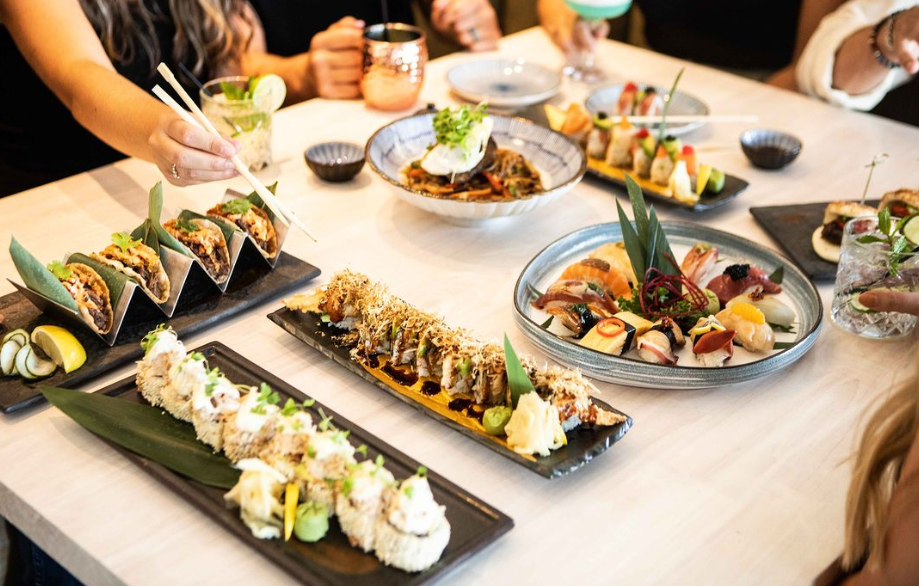
They top sandwiches, salads, soups, pizzas, omelets, curries, and more. They find their way into grain bowls, smoothies, and even cocktails. As the farm-to-table and local food movements have grown, microgreens have fit in perfectly—easy to grow year-round, low-impact to transport, and brimming with freshness.
The diversity of varieties has also exploded to meet chefs’ creative visions. From spicy radish shoots to sweet pea tendrils and colorful amaranth, the palette of microgreens has expanded far beyond its humble beginnings of arugula and basil.

A Tiny Green with Big Impact
What started as a misunderstood order in a San Francisco kitchen has become a defining ingredient of modern cuisine—one that brings beauty, bold flavor, and powerful nutrition to the plate.
Whether you’re a fine dining chef, a health-conscious home cook, or a curious foodie, one thing is certain: microgreens are here to stay, and their story is still growing.
Sources
Singh, A., Singh, J., Kaur, S., Gunjal, M., Kaur, J., Nanda, V., & Ullah, R. (2024, October 30). Emergence of microgreens as a valuable food, current understanding of their market and consumer perception: A Review. Food Chemistry: X, Volume 23. https://doi.org/10.1016/j.fochx.2024.101527